

The Benefits of a Gas Patio Heater
A patio heater is a simple method to enhance the ambience of the space. It can make a great addition to bars, restaurants and even homes. It requires attention to ensure it operating properly.
Gas patio heaters utilize propane tanks that must be replenished when needed. Electric models are more portable. Natural-gas patio heaters are hooked to a home's natural gas line and don't require refills, however they're more expensive to set up.
You can download the application.
Patio heaters are an excellent way to heat up outdoor areas in the winter months. They are suitable for commercial and residential use. It is easy-to-assemble and can be moved around. It makes use of a powerful heat-producing flame to give you an instant and long-lasting feeling of warmth. This is particularly true for newer types that use radiant heating instead of direct convection. The burners in these heaters burn liquid petroleum gas (LPG) or natural gas or propane that then reflect onto a silvered reflector on top of the device to release the heat to the surrounding area. These appliances can generate between 5 and 12kW of heat.
In contrast to electric patio heaters which are wired to the wall and are therefore restricted to the space they were erected in gas heaters is able to be moved easily to different areas of your deck or backyard. The majority of patio heaters come with an additional gas tank that can be removed and replaced if needed. Certain models are also equipped with wheels to allow for greater mobility making them more maneuverable.
Gas patio heaters can be used throughout the year even in temperatures that are colder. This is because the burner in these heaters burns butane or propane, which have lower boiling points than other fuels. Propane-powered patio heaters still function normally down to 4 degC, whereas butane will start to struggle with vaporisation at this temperature.
Gas heaters can be more powerful than electric ones. This is because it doesn't rely on convection to heat the air around it rather, it uses an igniter that heats the metal structure and then radiates heat to the surroundings. It is able to heat the air more quickly and efficiently than a heater that relies on electricity, as it is not able to transfer heat to objects in its range.
Easy to put together
A gas patio heater is an excellent option to make the most of your outdoor space during cooler weather. These heaters generate a great deal of heat and are cost-effective to run. These heaters can also provide instant warmth, which is helpful when you're hosting a large crowd. Many people choose to use these heaters in the outdoor seating areas of restaurants and bars. They can be either portable or mounted, depending on your needs. Some models require a permanent connection to your natural gas pipe, while others can be connected to readily available propane tanks. Some models have an option to use a remote to turn the heat off at any time.
If you're using a propane-powered patio heater ensure that you keep it away from things that can catch fire. Keep a fire extinguisher close by and remind kids to avoid roughhousing near it. It is also essential to check for leaks regularly. This can be accomplished by applying a solution of soapy water to the tank and hose connection. If you notice bubbles appearing or you smell gas, immediately turn off the heater and get it checked.
Propane or natural gas patio heaters can be used for various outdoor spaces. However they should be properly ventilated to avoid carbon monoxide poisoning. They can be used indoors in enclosed areas like patios and garages however they are not able to be used outdoors in open spaces like basements. Gas heaters are not recommended for areas that are exposed to excessive rain or blowing debris.
There are a variety of patio heaters. These include LP gas and electric. Electric heaters do not emit fumes or carbon monoxide, however, they have less heat output than other fuel sources. If you're seeking an alternative that is more efficient, consider purchasing an LP-gas patio heater. These heaters use an ongoing flame and produce more heat than electric heaters.
Some LP-gas patio heating units come with an automatic shutoff valve integrated into which can stop the leakage in case the flame is not lit. Some have an ignition mechanism that is manual that allows you to ignite them using a long match or lighter. The best choice for your space will be determined by your budget and preferences.
Securer
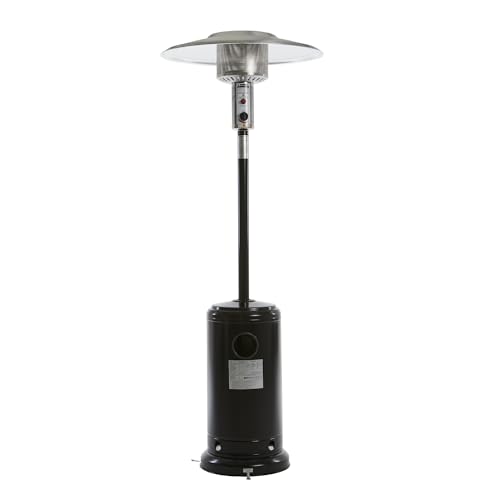
Patio heaters are increasingly popular with cottage and home owners, who wish to enjoy their outdoor living spaces into the winter months. However, there are several safety issues that need to be taken into account when using these heaters. Propane patio heaters shouldn't be used in the interior of a home and must be kept at least 2 metres away from any combustible material. They should also be placed on a stable surface to reduce the risk of tipping over.
When you are looking for a patio heater that uses propane, ensure it's equipped with a flame sensor. These devices look for flames and cut off propane flow if they are not detected. patio heater gas flame will prevent carbon monoxide poisoning as well as fire dangers. Make sure your propane patio heater is CSA-rated and properly maintained prior to using.
Liquid propane, butane, and natural gas are all fuel sources that can be used for patio heaters. Liquid propane is more explosive than butane and can ignite through sparks. It is also less toxic than other gases, and has a lower melting point. This makes it safe for outdoor use. It is important to remember that propane liquid must be stored and transported in a location with adequate ventilation.
It's essential to maintain propane patio heaters and check them for leaks regularly. Check that the valves are shut and that the connections are tightened before every use. The valves and hoses can be cleaned using soapy water. This will remove any deposits or bubbles. A leaking hose or gas valve could lead to a hazardous situation. Keep a fire extinguisher in close proximity to your propane heater and keep an eye out for any indications of smoke.
When setting up Suggested Resource site , you must adhere to the guidelines that are provided by the manufacturer. Propane or natural gas patio heaters should only be used outdoors and in areas with adequate ventilation. They should never be used inside or in partially enclosed areas because they can produce dangerous levels of carbon monoxide. It is recommended to install carbon monoxide detectors near patio heaters.
All year round Use all year round.
Gas patio heaters provide instant and durable warmth to any outdoor space, whether you're hosting guests, or simply relaxing by yourself. They are available in various sizes and styles to suit any design scheme. They can be used to add interest to your patio or garden. Additionally, the flames of gas patio heaters have an aesthetic that is natural and can add a sense of atmosphere to any evening.
Gas, electric and infrared patio heaters are all readily available. Each type has its own pros and cons dependent on the size of the space to be heated as well as other factors. It is important to know the differences between these different types so that you can select the best one for your requirements.
Patio heaters are available in three different types of fuel including propane, butane or natural gas. Propane gas is the most well-known choice due to its superior efficiency and is clean to burn. It's important to remember that it won't perform as effectively in temperatures that are colder. Butane is also a good option, but it doesn't offer the same level of efficiency as propane.
The cost of patio heaters can differ significantly based on the style and model, in addition to the cost of installation. For example, wall and ceiling-mounted natural gas patio heaters could be more expensive to install than portable free-standing models. They require a permanent gas connection to your home, and are installed by a professional.
Generally speaking, patio heaters use between 20 and 40,000 BTUs each hour to produce heat. patio heater gas flame can be very different dependent on the size, efficiency and the weather conditions of the heater. The conditions of the wind and the position of the heater can also affect how much fuel is consumed. To cut down on fuel consumption, consider a model with adjustable settings.
It's also essential to keep an extinguisher close to the patio heater when using it. This will avoid any incidents or emergencies. You can also purchase fire extinguishers specifically designed for gas or wood patio heaters.